
Build It or Buy It? Let's Talk About Homes!

theresa rolen • April 14, 2025

Buying A Home vs. Building... What Is Involved?

🏡 Build It or Buy It? Let's Talk About Homes!

Hey friends! 👋

Have you ever dreamed of your perfect house? Maybe with a treehouse, a giant kitchen island, or a slide instead of stairs? 😄 You can get a home like that in two ways: buy one that’s already built, or build one from scratch.

Let’s break down what each option costs—and what to expect—so you and your family can make the best choice!


🚧 Building a Home from Scratch


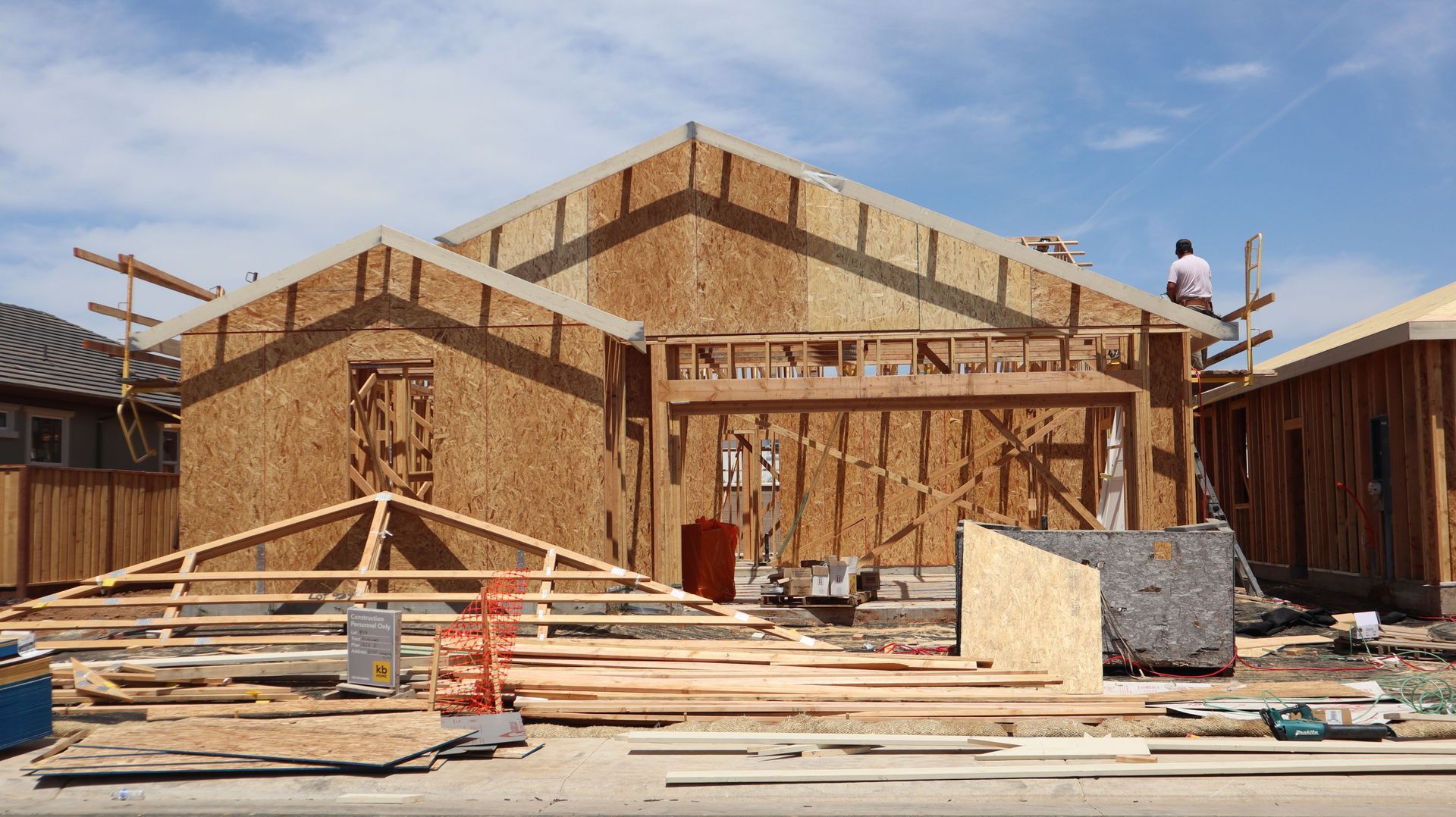
If you want to design every little thing in your home, building might be the way to go! But it takes some time—and more money upfront.


💰 Upfront Costs for Building:

  • Buy the land – Before you build, you need to buy land. This usually needs a big down payment—sometimes 20% or more!
  • Higher earnest money – When you agree to build, builders usually want a bigger deposit (called earnest money) than when buying a regular house. This shows you’re serious!
  • Plans and permits – You have to pay for blueprints, inspections, and city approvals before anything is built.
  • Construction loan – This is a special kind of loan you get in steps as the house is being built.
  • No down payment help There’s usually no down payment assistance available when you build from scratch. You’ll need more savings upfront.
  • Loan types – Most people building use a conventional loan or a VA loan (for veterans). FHA loans usually don’t work for this.


🏗️ Things to Expect:

  • It can take 6–12 months or more to build your home.
  • You may still have to pay for your current place to live while you wait.
  • You get to choose everything—paint, floors, lights, cabinets—but that also means more decisions (and sometimes stress!).


🏠 Buying a Home That’s Already Built

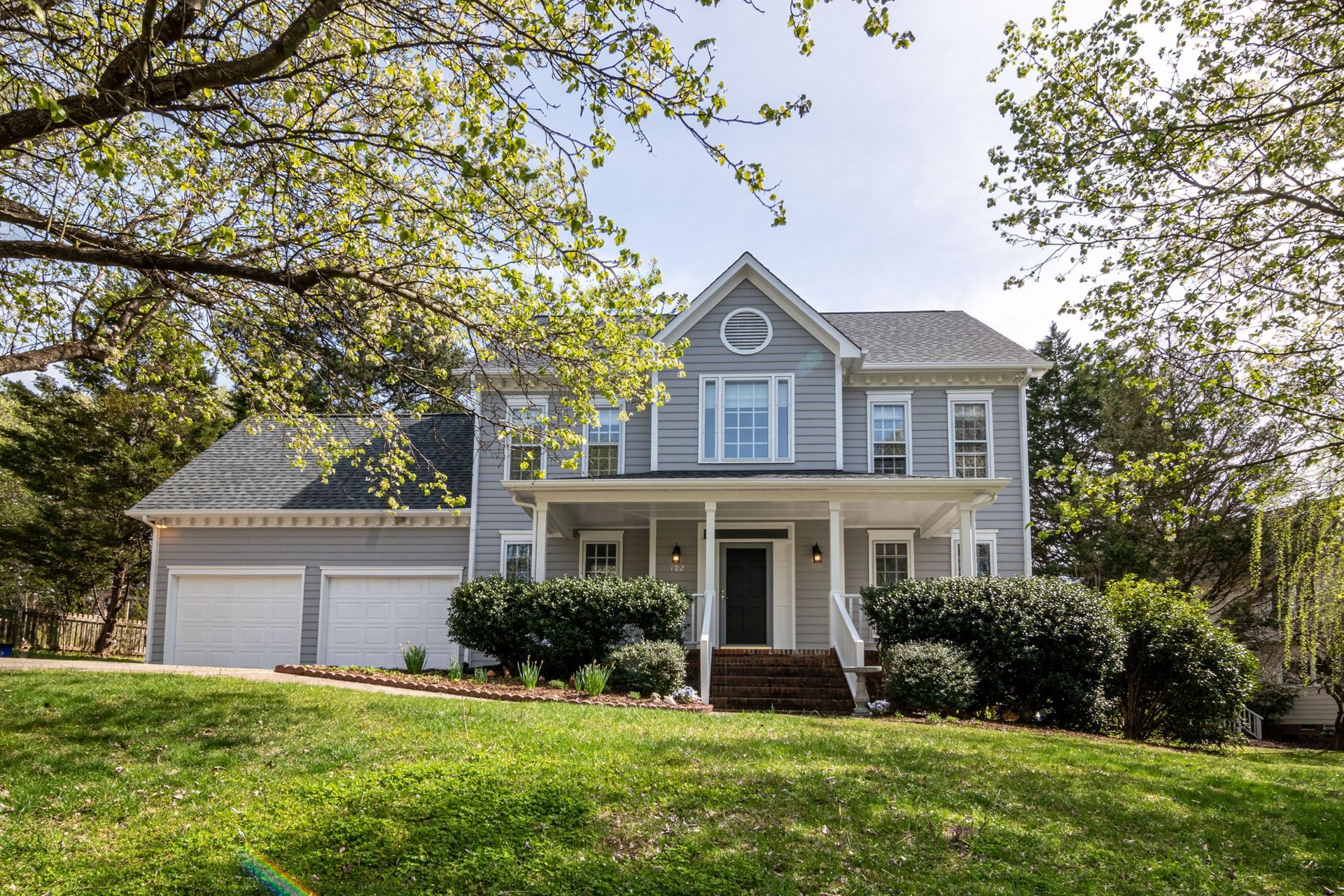
This is the faster and easier option for most people. You look at homes, find one you like, and buy it!


💰 Upfront Costs for Buying:

  • Down payment – This can be as low as 3% or even 0% with some loan types!
  • Earnest money – You still pay this when you make an offer, but it’s usually less than with building.
  • Closing costs – These cover things like inspections, loan fees, and paperwork.


🏦 Loan Types for Buying:

  • Conventional loan – Great if you have a strong credit score.
  • VA loan – For veterans, with no down payment in many cases.
  • FHA loan – Helps buyers with smaller down payments.
  • Down payment assistance – Some programs help you pay less upfront or even give you grants!


🏃‍♂️ Things to Expect:

  • Move-in ready! You can often move in just a few weeks after buying.
  • Less stress—no need to make every tiny decision.
  • You might want to fix or update a few things, but it’s usually cheaper upfront than building.


🧠 So... Which One Is Right for You?

Here’s a quick way to think about it:


Build if:

  • You have more money saved and want to design everything.
  • You don’t mind waiting several months.
  • You don’t need help with your down payment.


Buy if:

  • You want to move in fast.
  • You want more loan choices.
  • You’d like to use down payment assistance to help with costs.


🏡 No matter which path you take, your dream home is waiting. Let’s make a plan that works for YOU! 😊


By theresa rolen January 24, 2026
Building or Fixing Your Credit To Buy A Home
By theresa rolen January 24, 2026
The January Reputation in Real Estate Myth
By theresa rolen January 7, 2026
Building a Home Without the “What If?” Panic
By theresa rolen December 30, 2025
Gift of Equity vs. Gift Funds in Family Home Purchases (And How to Avoid Blowing Up the Deal)
By theresa rolen December 30, 2025
When a Pre-Approval Isn’t Actually Approval Why Realtors Can’t Afford to Blindly Trust Every Lender In today’s market, getting an offer accepted isn’t the hard part. Getting it to close is. Lately, I’ve been pulled into multiple “rescue missions”—offers accepted, homes taken off the market, timelines set… only for the deal to start unraveling once underwriting gets involved. Different buyers. Different lenders. Same root problem. A pre-approval that never should’ve been issued . A Real Scenario Realtors Are Seeing More Often A buyer submits what looks like a strong offer. The pre-approval checks the box. Everyone moves forward. But once the file is examined: Less than two years of work history Variable income only (hourly, commission, fluctuating pay) Prior history? Straight out of high school This doesn’t mean the buyer can’t qualify. It does mean the file requires precision , not assumptions. The Truth About Pre-Approvals (This Is the Part That Matters) A pre-approval is only as strong as : the income used to qualify it the guidelines actually followed and the lender who understands the difference between “maybe” and “mortgageable” Variable income + limited history isn’t impossible — but it requires structure, documentation, and time . What it does not tolerate is shortcuts, guesswork, or optimism disguised as confidence. Where Deals Start to Break Many weak pre-approvals rely on: Income that hasn’t been averaged long enough Pay that looks good on paper but doesn’t meet guideline requirements Front-end approvals that haven’t been reviewed by underwriting Everything looks fine—until underwriting gets involved. And underwriting always gets involved. What Buyer’s Agents Should Be Asking (Without Playing Underwriter) You don’t need to know every lending rule. You do need to ask smarter questions. 1. Is the buyer’s income salaried or variable? If it’s variable, averaging and seasoning rules apply. 2. How much of that income is actually being used to qualify? Not projected income. Not potential income. Qualified income. 3. Does the buyer meet the full two-year work history requirement? If not, how is the gap being documented and justified? 4. Has an underwriter reviewed this income yet—or is this a front-end pre-approval? This affects how much risk the seller is taking on. 5. What’s the backup plan if income is reduced or disallowed? Strong lenders already know the answer. If those answers aren’t clear, the offer isn’t strong—no matter the price. Why This Matters for Sellers When a seller accepts a shaky offer: The home comes off the market Showings stop Leverage disappears If the deal collapses late, sellers lose time, momentum, and often negotiating power. A strong offer isn’t just about price. It’s about: financing that survives underwriting a lender who answers the phone and a buyer who is truly qualified The Realtor Takeaway Trust is important. Verification is smarter. The best agents don’t just get contracts signed—they get them closed . Ask better questions. Vet the lender. And remember: hope is not a lending strategy. Book time to chat My Calendar Theresa Rolen, Loan Originator NMLS# 2249004 | Brokerage NMLS #1850081 Cell 913-705-0049 Email Theresa@SummitLendingUSA.com Theresa Rolen Cell (913) 705-0049 Trolen.myjourney@outlook.com
By theresa rolen October 17, 2025
When the “For Sale” Signs Multiply — Local Edition (Leavenworth / Liberty / KC)
By theresa rolen October 15, 2025
Refinancing—The Smart Way to Ditch High-Interest Debt
By theresa rolen October 11, 2025
The Basics — Why Mortgage Insurance Is Actually A Good Thing
By theresa rolen October 11, 2025
Refresh your pipeline leads...
By theresa rolen June 7, 2025
The Switch To a Buyers Market...