
Starter Home Vs. Dream Home for 1st Time Home Buyers
theresa rolen • January 2, 2025
Why Start with a Smaller, First Home?
Starting with a small, affordable home is a smart idea for many reasons. Let’s break it down:
1. Life Changes
- As people’s lives change, so do their needs. Getting married, having kids, or starting a new job might mean moving in 5-7 years.
- Your first home is like a stepping stone—it helps you get started before moving on to something that fits you better later.
2. Money Smarts
- A smaller home is easier to afford and can help you save money while building home equity (that’s the value of your house minus what you owe on it).
- Houses usually become more valuable over time, and inflation makes mortgage payments feel smaller over the years.
3. The Market Game
- Most people buy what they can afford at first, hoping they’ll earn more money later to get a bigger or better home.
- Selling your first home often gives you extra money to buy your next one!
4. Growing and Changing
- Over time, people want homes that match their personality, goals, or growing families.
Why People Move
- Building Wealth: As your house grows in value and you pay off the loan, you can sell it and use the money for something bigger or better.
- Life Fit: Sometimes, you need more space, better schools, or a shorter drive to work.
- Money Reasons: Moving to a place with lower costs or better opportunities can save money.
Want to Stay in One Home Forever?
If you’re planning to buy a home to live in forever, here’s what to think about:
- Pick a home that works for you now and in the future (like if you get older or your needs change).
- Make sure you can afford it without feeling stressed about money.
- Find a balance between buying something comfortable but not too expensive.
Questions to Think About
Before paying off a house or choosing a forever home, ask yourself:
What Are My Goals?
- Does owning a house fit into my plans for retirement or saving money?
- Will I regret putting too much money into the house if I need it later?
Money and Choices
- Can I pay off the house without running out of money for daily needs or emergencies?
- Could I earn more money by investing instead of paying off the house early?
- If I pay off the house, will I lose tax benefits like mortgage interest deductions?
Loan Details
- Do I have a low-interest mortgage that makes it smarter to keep paying it off slowly?
- Does inflation (the rising cost of things) make keeping a loan more affordable over time?
Being Flexible
- Do I have enough savings for emergencies?
- Am I saving enough for retirement while paying for the house?
- If I need extra money later, could I get a loan or reverse mortgage from the house?
Feelings and Peace of Mind
- Would owning my house outright make me feel calmer and safer?
- Am I paying off the house because I really want to, or because I feel like I should?
Think about these questions and your goals to make smart choices about buying or paying off your home. It’s all about finding what works best for your life! 😊

VA is warning Veterans about misleading mortgage offers. Learn how to spot questionable VA loan solicitations and what to verify before responding.

Should you ask for a seller credit or a lower home price? See how each can affect cash to close, mortgage payment and your overall homebuying strategy.
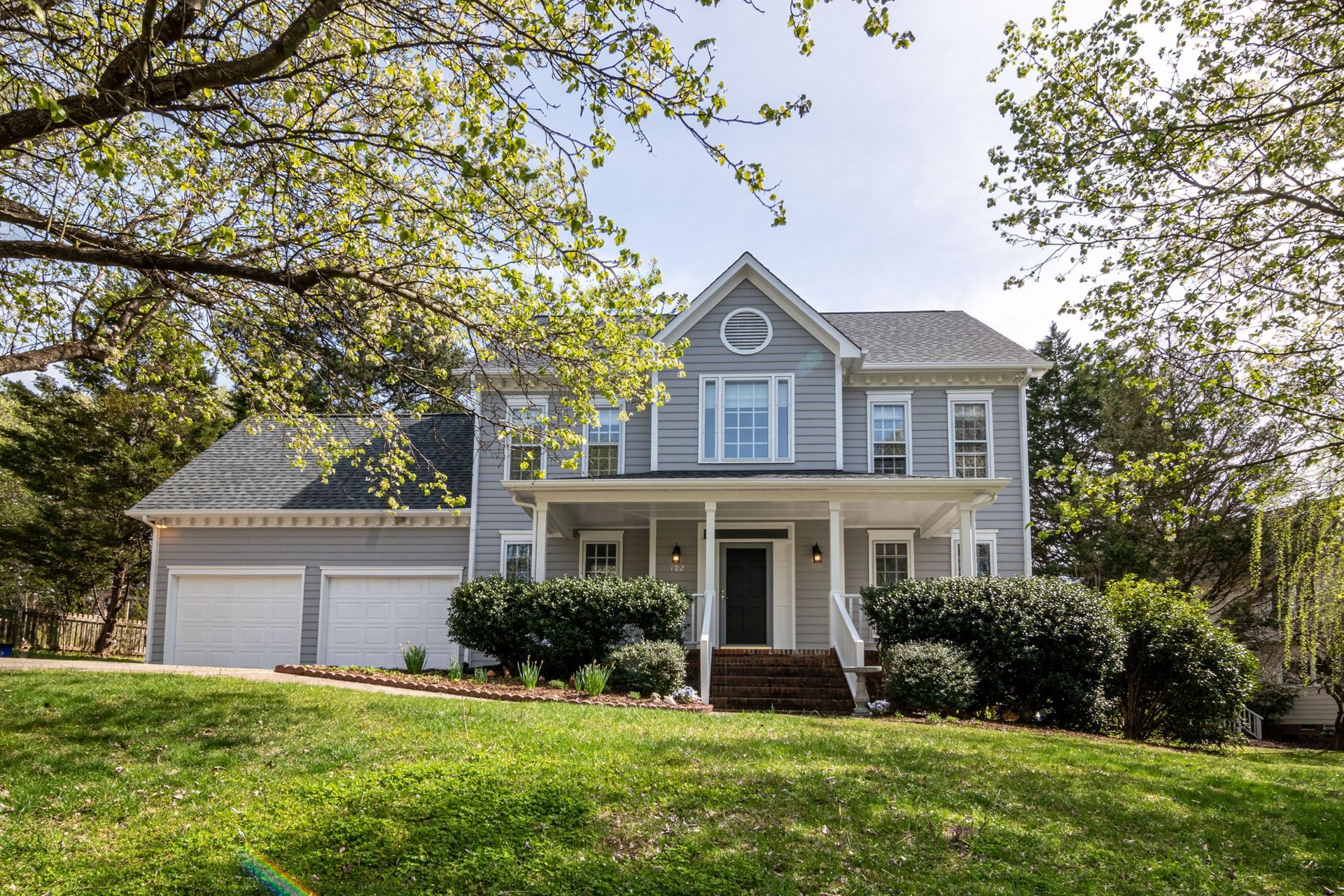
Kansas City housing inventory is tighter than a year ago while national supply grows. See what today's market means for KC homebuyers and Realtors.
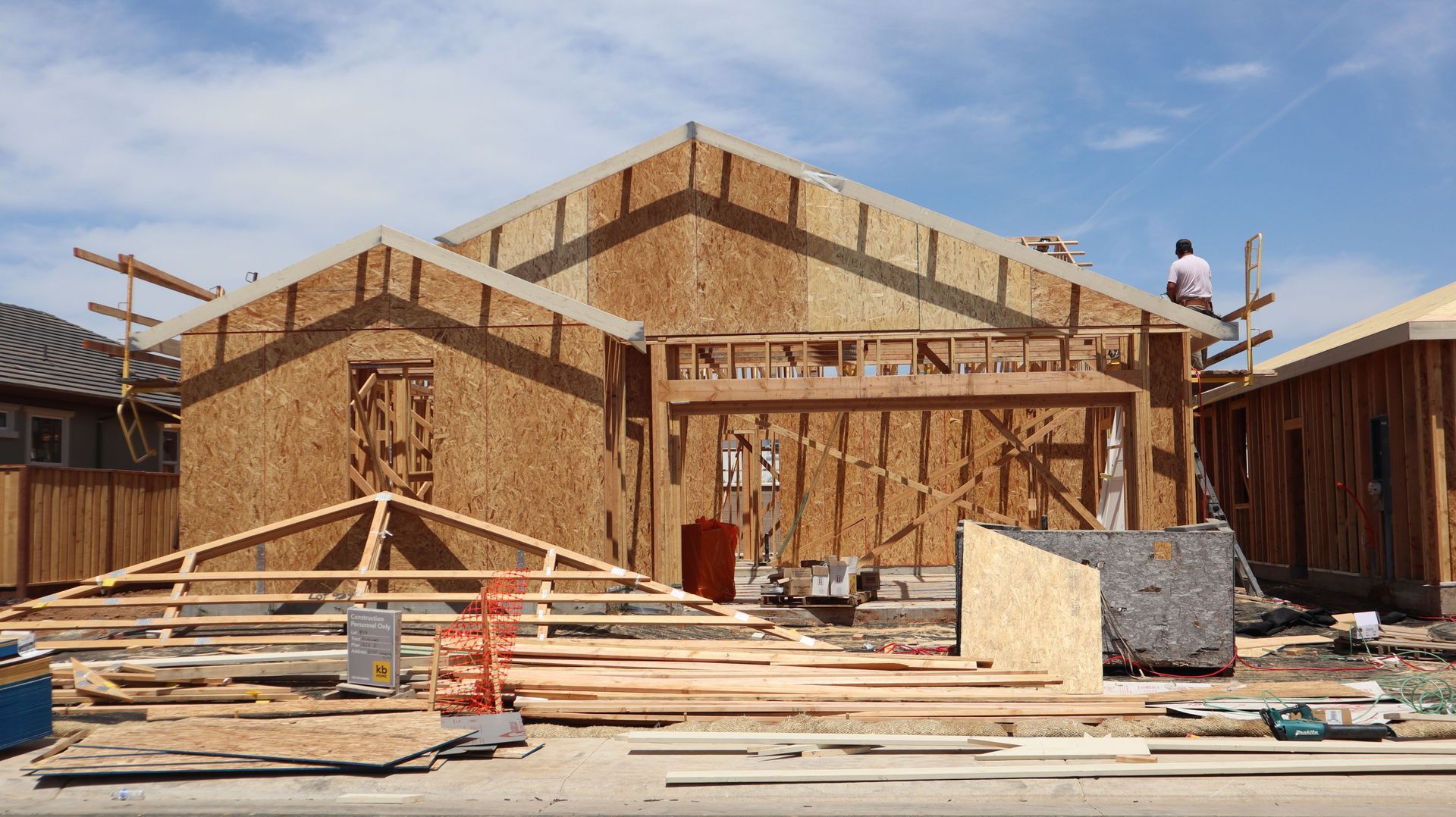
Learn How Existing Land Equity or a Land Loan May Become Part of Your Home Construction Financing Strategy

Learn how recent VA appraisal updates could reduce delays, improve the process and make VA buyers more competitive in today’s housing market.
Explore five important housing and mortgage trends affecting Kansas City buyers, sellers and Realtors, including rates, VA updates and buyer opportunities.

Thinking about buying vacant land? Learn how land financing works, what lenders look for, and how to prepare before making an offer.
You don't need a traditional paycheck to become a homeowner.

Physician and Medical Provider loans, Doctor Loans, broker options compared to other lender options.

Building or Fixing Your Credit To Buy A Home